
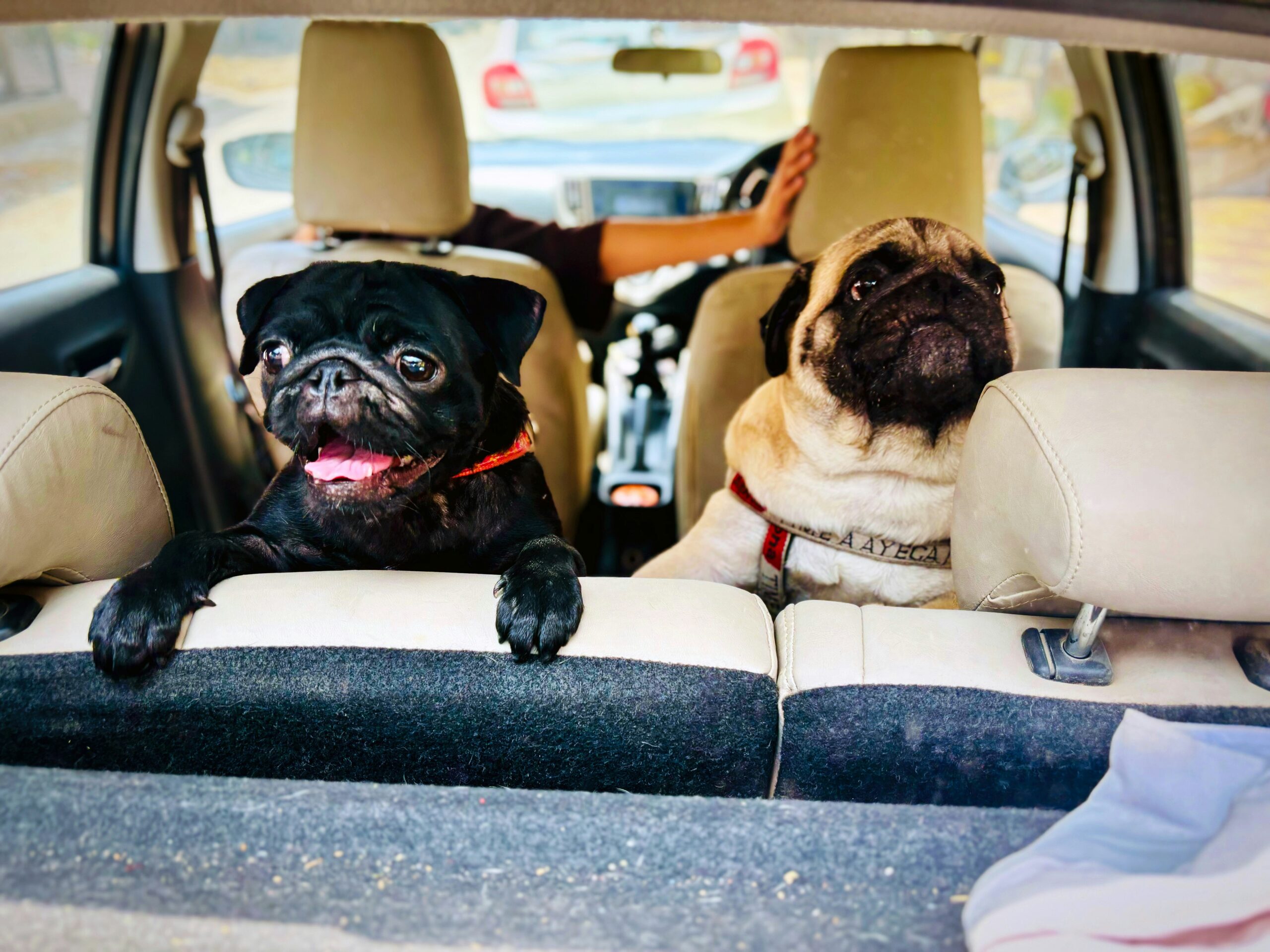
There’s something special about bringing your furry companion along for a road trip, watching them experience new sights and smells can turn an ordinary journey into an unforgettable adventure. But let’s be honest: traveling with pets isn’t quite as simple as tossing a leash in the backseat and hitting the road. Whether you’re planning a weekend getaway or a cross-country expedition, a little preparation goes a long way toward keeping everyone safe, comfortable, and happy. The good news? With the right approach, you can transform what might seem like a daunting challenge into one of the most rewarding experiences you’ll share with your pet. This guide will help you navigate everything from pre-trip planning to keeping your cool when things don’t go exactly as expected.
Pre-Trip Veterinary Preparations and Health Considerations
Before you even think about packing the car, your veterinarian should be your first stop. A thorough health checkup ensures your pet’s ready for the journey ahead and can highlight any potential issues that might complicate travel. This is especially important if you’re crossing state lines, where vaccination requirements can vary significantly. Ask for copies of all medical records and vaccination certificates, many hotels and campgrounds won’t budge without seeing proof of current rabies shots and other immunizations.
Essential Packing List for Pet Travel
A well-thought-out packing list is your secret weapon against mid-trip panic and forgotten essentials. Start with at least a week’s supply of your pet’s regular food, switching brands on the road can trigger digestive issues you really don’t want to deal with in a cramped hotel room. Collapsible bowls are worth their weight in gold for road trips, taking up minimal space while making mealtime convenient no matter where you stop. Your pet first aid kit should go beyond the basics: think bandages, antiseptic wipes, tweezers for those sneaky ticks, and any prescription medications.
Creating a Safe and Comfortable Vehicle Environment
Pet safety in vehicles, there’s no room for compromise. A quality restraint system, whether that’s a crash, tested harness, secured carrier, or vehicle barrier, isn’t just a good idea, it’s essential. During sudden stops or accidents, an unrestrained pet can become a dangerous projectile, risking injury to themselves and everyone else in the car. The front seat is always off-limits for pets, as airbag deployment can cause serious harm, and as much as your dog might love the feeling of wind in their face, letting them stick their head out the window is genuinely risky.
Planning Pet-Friendly Stops and Accommodations
A little research before you leave can save you from countless headaches on the road. Map out rest stops, parks, and pet-friendly areas where your furry companions can stretch their legs, do their business, and burn off some energy every couple of hours. These breaks aren’t just nice-to-haves, they’re essential for your pet’s physical and mental wellbeing during long drives. When planning longer trips, professionals who need to ensure their pets look and feel their best often schedule stops at dog groomers at Brennan Station and similar locations along their route. Thanks to specialized travel apps and websites dedicated to pet-friendly travel, finding welcoming restaurants with outdoor seating and accommodating hotels has become refreshingly straightforward. That said, always call ahead to confirm pet policies, size restrictions, breed limitations, and additional fees can vary wildly between properties. Ground-floor hotel rooms are worth requesting for the easier outdoor access, and proximity to green spaces will make those early morning and late evening walks much more convenient. Keep a list of emergency veterinary clinics along your route handy, just in case. Having this information at your fingertips means you won’t be frantically searching online if your pet suddenly needs medical attention. Planning these details ahead of time transforms potential stress into smooth sailing.
Managing Feeding, Hydration, and Bathroom Breaks
Sticking to your pet’s normal routine as much as possible will keep them calmer and more comfortable throughout the journey. Here’s a mistake many first-time pet travelers make: feeding their pet a big meal right before departure. This significantly increases the chances of motion sickness and vehicle accidents that nobody wants to deal with. Instead, offer a lighter meal about two to three hours before you leave, then align regular feeding times with your planned rest stops.
Conclusion
A successful road trip with your pet comes down to preparation, patience, and a willingness to adapt when things don’t go according to plan. By focusing on the fundamentals, thorough veterinary checkups, proper vehicle restraints, and regular breaks for exercise and relief, you’re setting the stage for a positive experience that benefits everyone in the car. Remember that there’s no one-size-fits-all approach here. What works beautifully for one pet might fall flat for another, so stay flexible and pay attention to your companion’s unique needs and signals.