
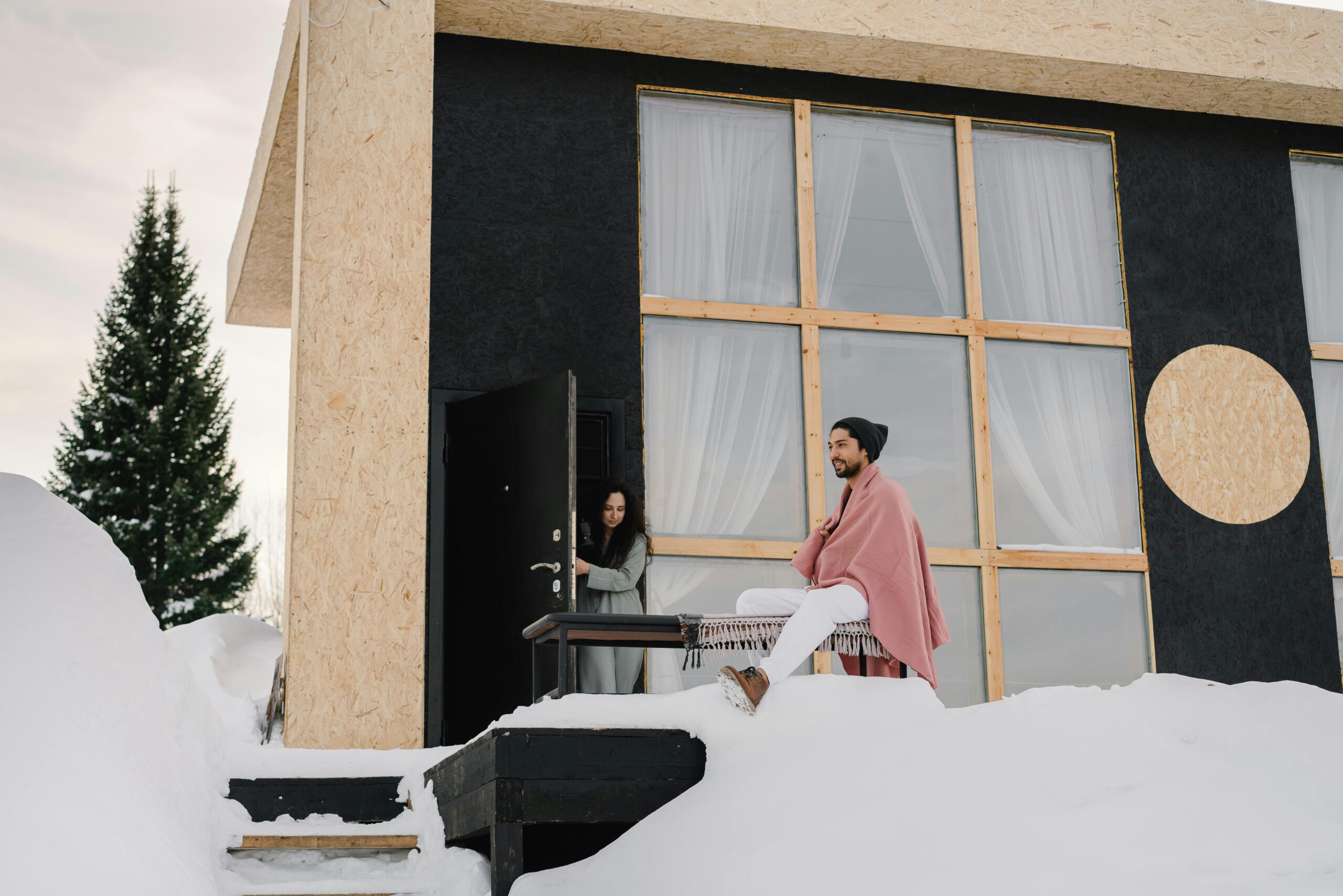
As temperatures drop and cold weather settles in, making sure your home is ready for winter becomes essential. Winter-proofing not only keeps your living spaces warm and comfortable, but it also helps to reduce energy bills and protect your property from seasonal wear and tear. From sealing draughts to insulating unused spaces, here’s a practical guide to preparing your home for the colder months.
- Check and improve your insulation
Good insulation is the backbone of a warm, energy-efficient home. Start by assessing your loft insulation, heat rises and escapes easily through poorly insulated roofs. If your current insulation is thin or patchy, adding extra layers can make a noticeable difference. Cavity wall insulation is another valuable upgrade, helping retain heat and stabilise indoor temperatures. Well-insulated homes not only stay warmer but also reduce heating costs significantly throughout winter. You should also consider insulating your external additions, such as conservatory insulation, to ensure you make use of these areas in the winter months and prevent further heat loss.
- Seal draughts around doors and windows
Cold draughts can quickly undo the benefits of your heating systems, leading to higher energy usage and higher heating bills. Inspecting door frames, window seals and any gaps where cold air may enter, stop cold air from entering and cooling down your home. Simple fixes such as self-adhesive excluders, rubber seals, and door sweeps can be highly effective. Investing in heavier curtains can also prevent heat loss in rooms with larger windows. By sealing these small gaps, you create an affordable yet impactful way to winterproof your home.
- Service your boiler and heating systems
Your heating system works hard during the winter, so ensuring it’s in good condition is crucial. Arrange a professional boiler service to check for faults, improve efficiency and ensure safe operation. Bleeding radiators to remove trapped air and improve heat distribution. If your radiators have cold patches, it may indicate a buildup inside, and you might need to flush them out. A well-maintained heating system keeps your home warmer with less spending on heating and electricity bills.
- Protect your pipes
Frozen pipes can burst and cause extensive water damage in colder seasons, more so than in other seasons, so prevention is key. Insulating pipes in lofts, garages, and external walls with inexpensive foam tubing that can be bought from any hardware store. On extremely cold nights, keep the heating on a low setting to stop internal pipes from freezing over whilst you sleep. For external taps, it’s important to turn them off and cover them, ensuring that you fill or seal any gaps where pipes enter the home to prevent cold air exposure.
Final thoughts
The cold seasons can bring so much joy and happiness, so ensure that you and your family stay happy and warm by taking precautions and protecting yourself from any future incidents that could be costly and stressful. So, over to you. Get your home winter-ready.